
Writing
How Many Drafts Is Enough
Documented draft counts among working writers cluster lower than the anxiety suggests — and knowing when to stop is a craft skill, not a number.
Craft coverage examined through actual passages: point of view, tense, dialogue, scene turns, pacing and the specific revision passes that repair a stalled draft. Examples are drawn from published books and explained line by line. Written for authors mid-manuscript rather than readers looking for encouragement.
Documented draft counts among working writers cluster lower than the anxiety suggests — and knowing when to stop is a craft skill, not a number.
The number on the deal memo is never a single check — it's a schedule of milestones, a commission, and a reserve you don't see coming.
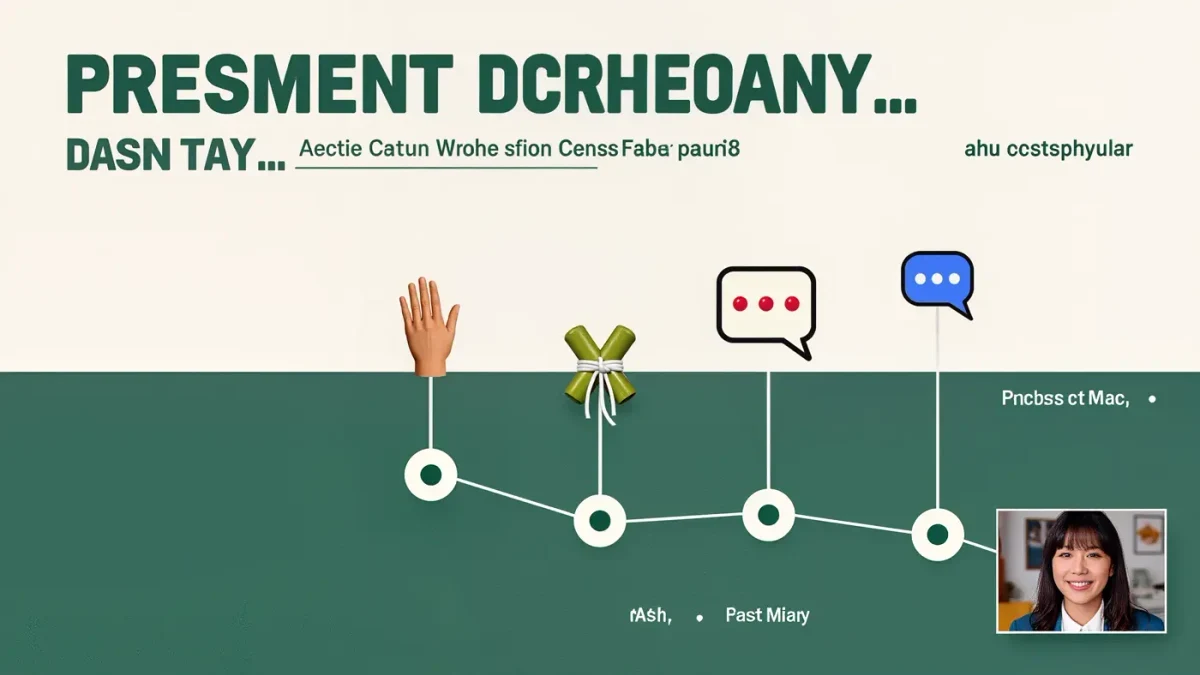
Hemingway's theory of omission — the iceberg — remains the governing principle: the past works on a reader hardest when most of it stays under the surface.

Stephen King's formula is documented and severe: second draft equals first draft minus ten percent — the pass system is how you find the ten without drowning.

Mark Twain advised killing adjectives in 1880 and Stephen King called adverbs pavestones to hell in 2000 — the underlying craft is the same: the verb is the engine.
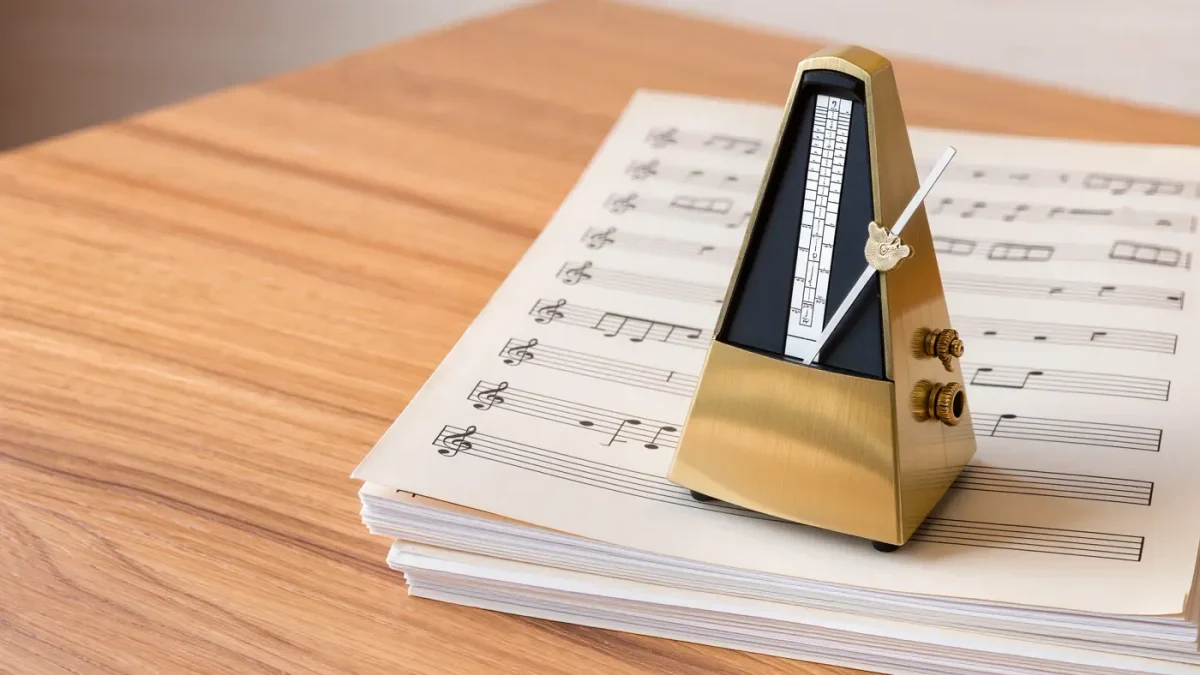
Gary Provost's five-word demonstration remains the sharpest lesson in prose rhythm: variety is not decoration — it is the accelerator and brake.
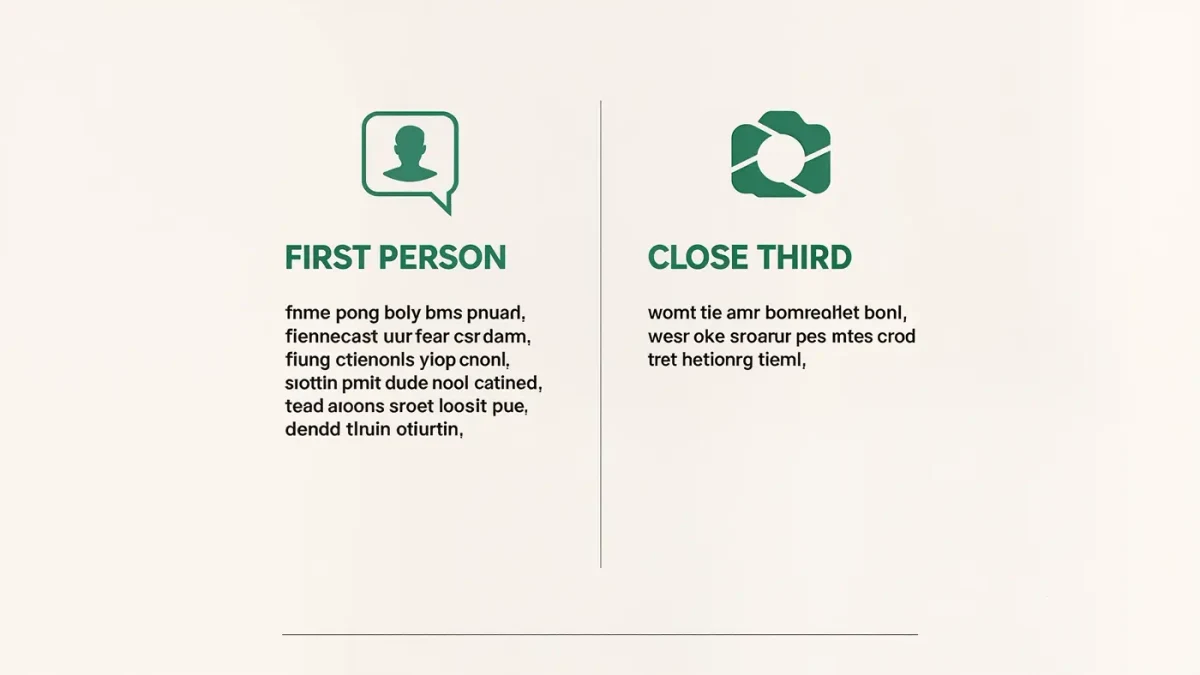
Choosing a mode is theory; drafting the same scene in first person and close third is evidence — here is the experiment, the mechanics, and how to read your own results.

Dwight Swain named the novel's smallest complete unit in 1965 — a scene of goal, conflict, and disaster, followed by a sequel of reaction, dilemma, and decision — and the tool still diagnoses chapters nothing else explains.

The middle sags when scenes stop changing the story's state — the diagnosis is mechanical, and so are most of the repairs.

Point of view is not a stylistic preference — it is the information contract with the reader, and it decides what the book is allowed to know and when.